
Home
 Technically Speaking Archive
Technically Speaking Archive
Technically Speaking Archive

In the previous Technically Speaking we introduced the concept of an Airborne Infection risk calculator.
The Fantech COVID-19 Airborne Risk Calculator is a simplified calculator based on the Airborne Infection Risk Calculator Version 3.0 Beta by...
Full Story
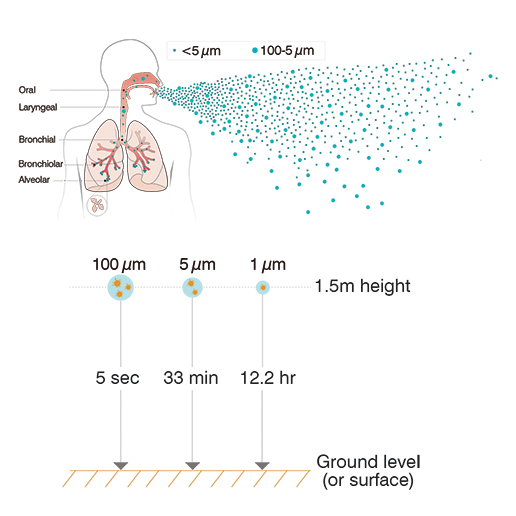
While life has returned to a sense of normality for most people after the various COVID-19 lockdowns, the reality is that COVID-19 is still with us. As time passes we are seeing new COVID-19 variants and we are learning more about how the virus is...
Full Story

When selecting a fan for an application, it is common practice to use the manufacturer’s catalogue data.
Catalogued air flow performance data is created from test results conducted to standards such as ISO5801. Testing to a standard ensures...
Full Story

Some time ago, guide vanes were commonly supplied with axial fans in order to improve fan pressure development. However, low energy costs and a lack of focus on energy efficiency resulted in guide vanes being removed from axial fans, to reduce their...
Full Story

Air leakage is defined as “air, other than exhaust air, return air and/or relief air that escapes from an air-handling system in an uncontrolled manner.”
The consequences of air leakage can include a reduction in delivered air flow; thermal losses...
Full Story

Recently, the Standard relating to kitchen exhaust fan casings and cowls for commercial buildings was updated. As there has been some confusion regarding Section 6.2 of AS/NZS 1668.1 2015, Fantech has sought an interpretation from the committee...
Full Story
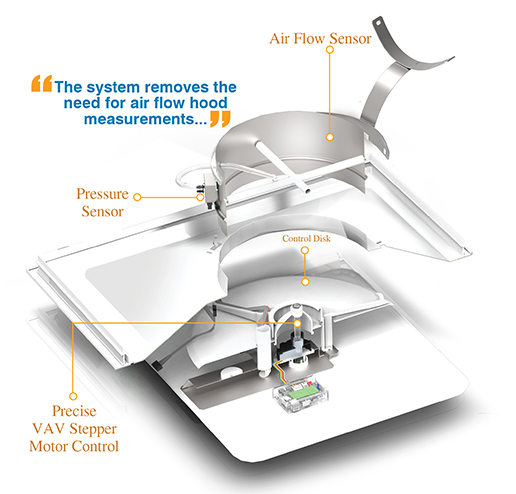
The AirLink Integrated Variable Air Volume (VAV) system is the next step in efficient HVAC system design. This modern system is based on electronic VAV diffusers working with an even pressure duct design. The system removes the need for air flow...
Full Story

Ventilation is essential for enclosed swimming pools and spa rooms for the following reasons:
To prevent the enclosure becoming excessively humid;
To eliminate or minimise condensation;
To prevent the build-up of chloric acids, which are...
Full Story

Fan manufacturers can choose to publish either ‘In-Duct’ or ‘Free-Field’ noise levels depending on where the noise is measured. The difference between the two terms is not well understood by many engineers and can lead to underestimation of noise...
Full Story

In 2013, an independent report highlighted that 70% of the $1.1 billion per annum productivity gains delivered by Australian Building Codes Board (ABCB) reforms were derived from the current performance-based code. The report also identified that...
Full Story

Variable Geometry Variable Air Volume (VGVAV) diffusers are an effective method of controlling the thermal comfort of a room whilst reducing energy consumption.
VGVAV diffusers are pressure dependent devices and to operate at optimal...
Full Story
Variable Geometry Variable Air Volume (VGVAV) diffusers have been used for more than 40 years to effectively manage the air distribution system in a building. The functionality of early diffusers was limited in their capabilities, but in the past 10...
Full Story
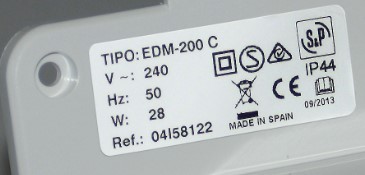
Access to electrical equipment manufactured overseas is now easier thanks to the internet and low cost express shipping. However the greater choice of products is only one criterion when deciding to make a purchase and contractors must also take...
Full Story
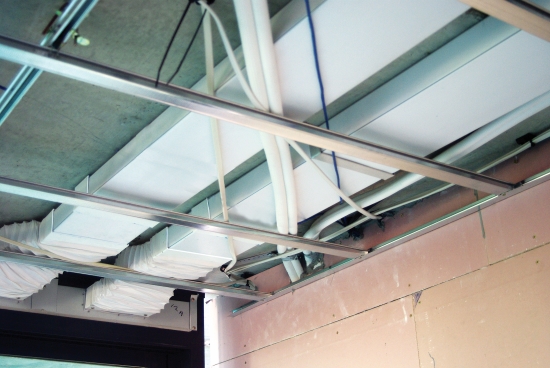
A number of new types of low profile plastic duct have recently been released onto the Australian market. It is important for specifiers and installers to ensure the new product meets Australian standards and is compliant with the Building Code...
Full Story

Are JetVent fans “Deemed-to-Satisfy”?
To meet the 'Deemed-to-Satisfy' (DTS) requirements of the BCA, a car park ventilation system must comply with AS1668.2:2012 or an adequate system of permanent natural ventilation (Section F4.11) and...
Full Story

As discussed in the last edition of TechTalk (issue number 77), materials perform differently when they operate at various stresses, temperatures, speeds, and in corrosive environments. For this reason it is important to select the right fan...
Full Story

Sometimes it can be difficult to identify which type of fan impeller blade material is required for a given application. Typical blade materials supplied by Fantech include GRP (Glass Reinforced Polypropylene), Aluminium, Nylon, and Anti-Static...
Full Story
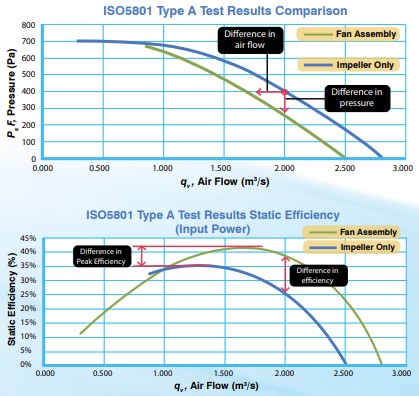
To ensure a ventilation system functions in the built environment as it was intended in the design stages, it is crucial to know that the fan’s actual performance matches the catalogue data published by the manufacturer. The only true way to...
Full Story
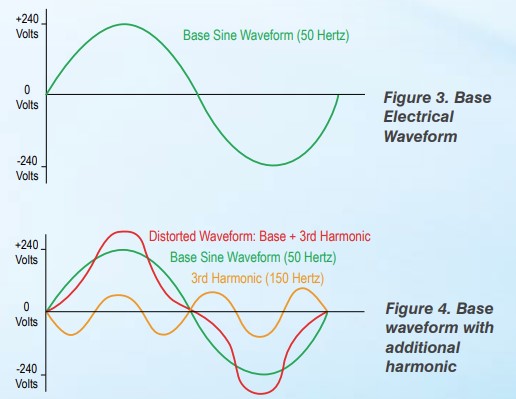
External Rotor Motors are used extensively by Fantech. These are compact, lightweight motors specifically designed for fans and ventilation products.
To increase the life of three phase External Rotor Motors when controlled by a VSD, it...
Full Story
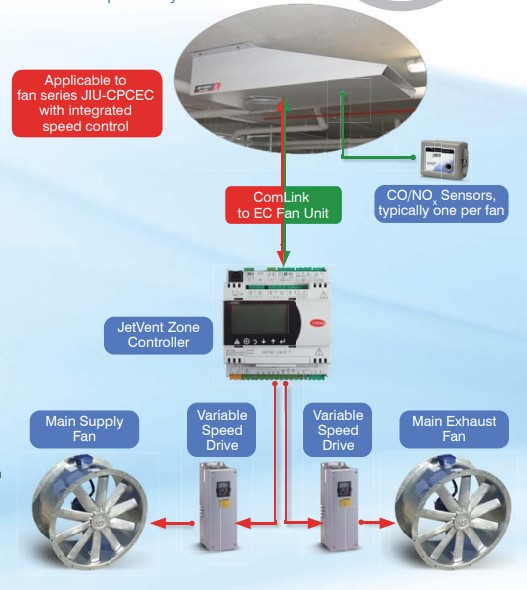
A good ventilation system is vital in car parks. It must provide fresh air and ensure harmful pollutants such as carbon monoxide, nitrous oxides and various fumes from the vehicle’s fuels do not accumulate and reach toxic levels.
Traditionally car...
Full Story

What sort of fan motor do I need for my spray painting booth?
This type of question often confronts our sales engineers. While this appears to be a straightforward request, a spray booth could be classified as a hazardous area...
Full Story